Election Day is November 3, 2026
This year voters in the Mankato Area Public School District will have the opportunity to vote for three candidates to serve four-year terms on the School Board.
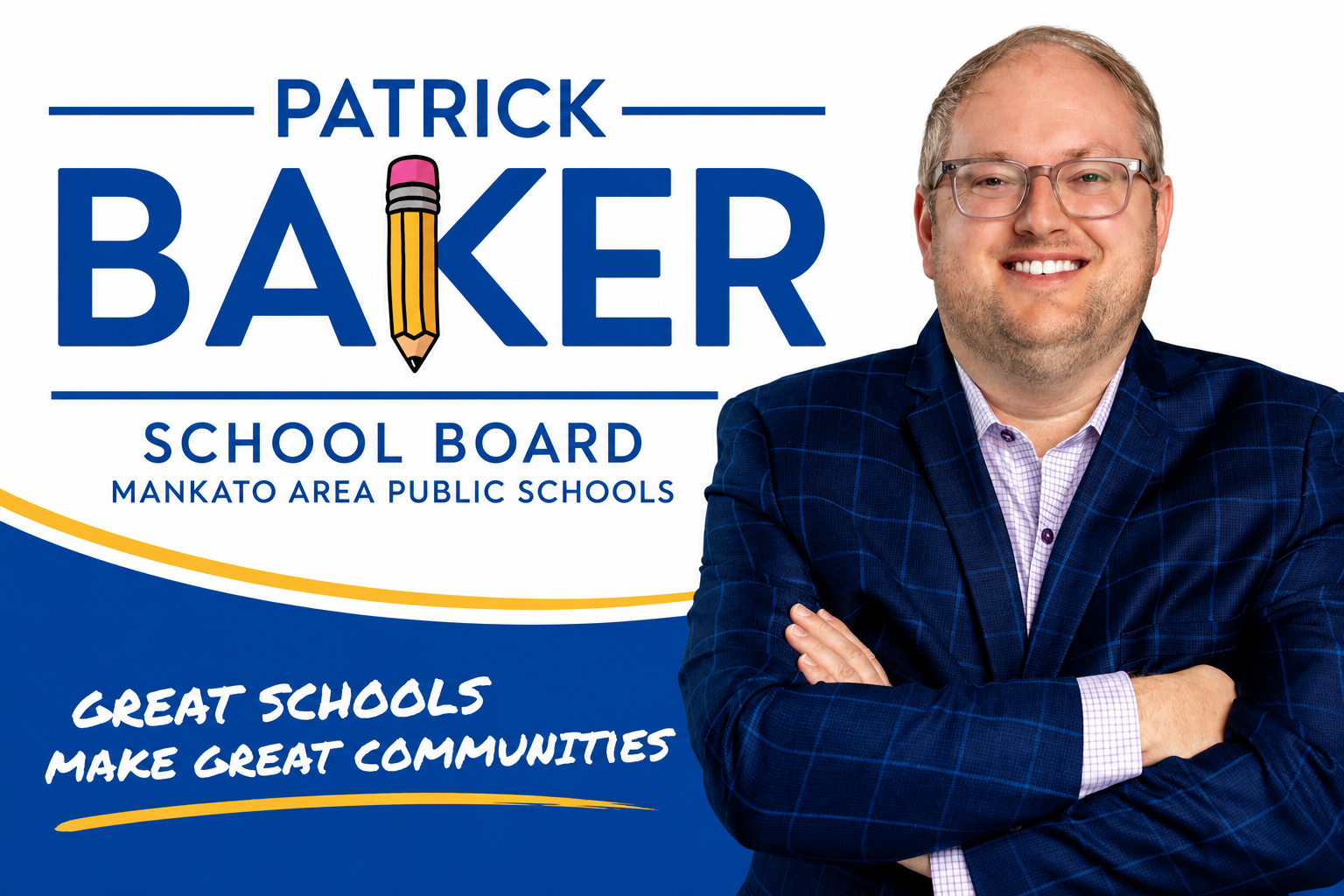
I hope you’ll consider voting for me and re-electing me to another term on the School Board.
Below you’ll find information about me and my priorities. Please don’t hesitate to contact me with any questions.
The Minnesota Secretary of State Website has everything you’ll need to ensure you can cast your ballot.

About me
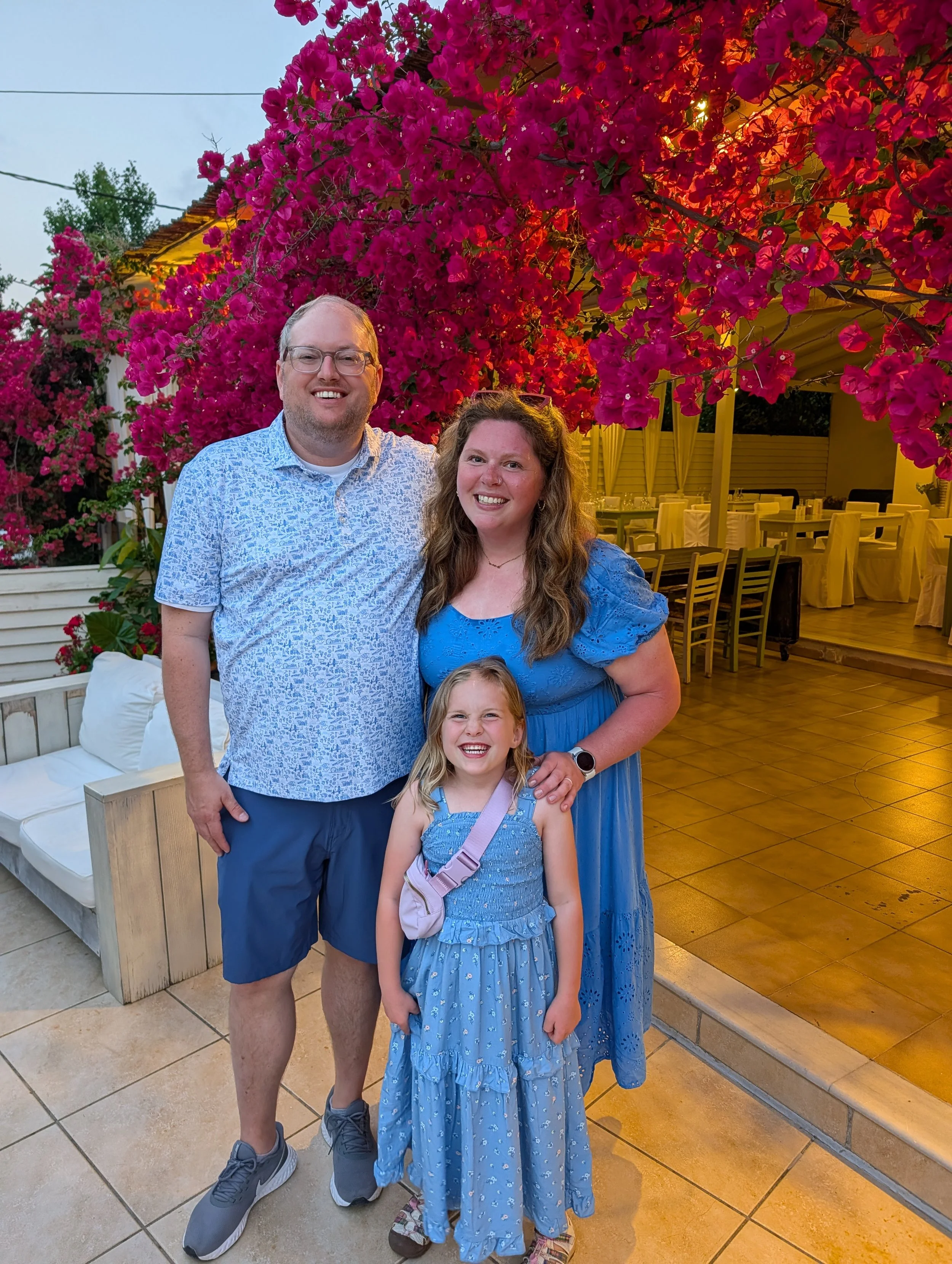
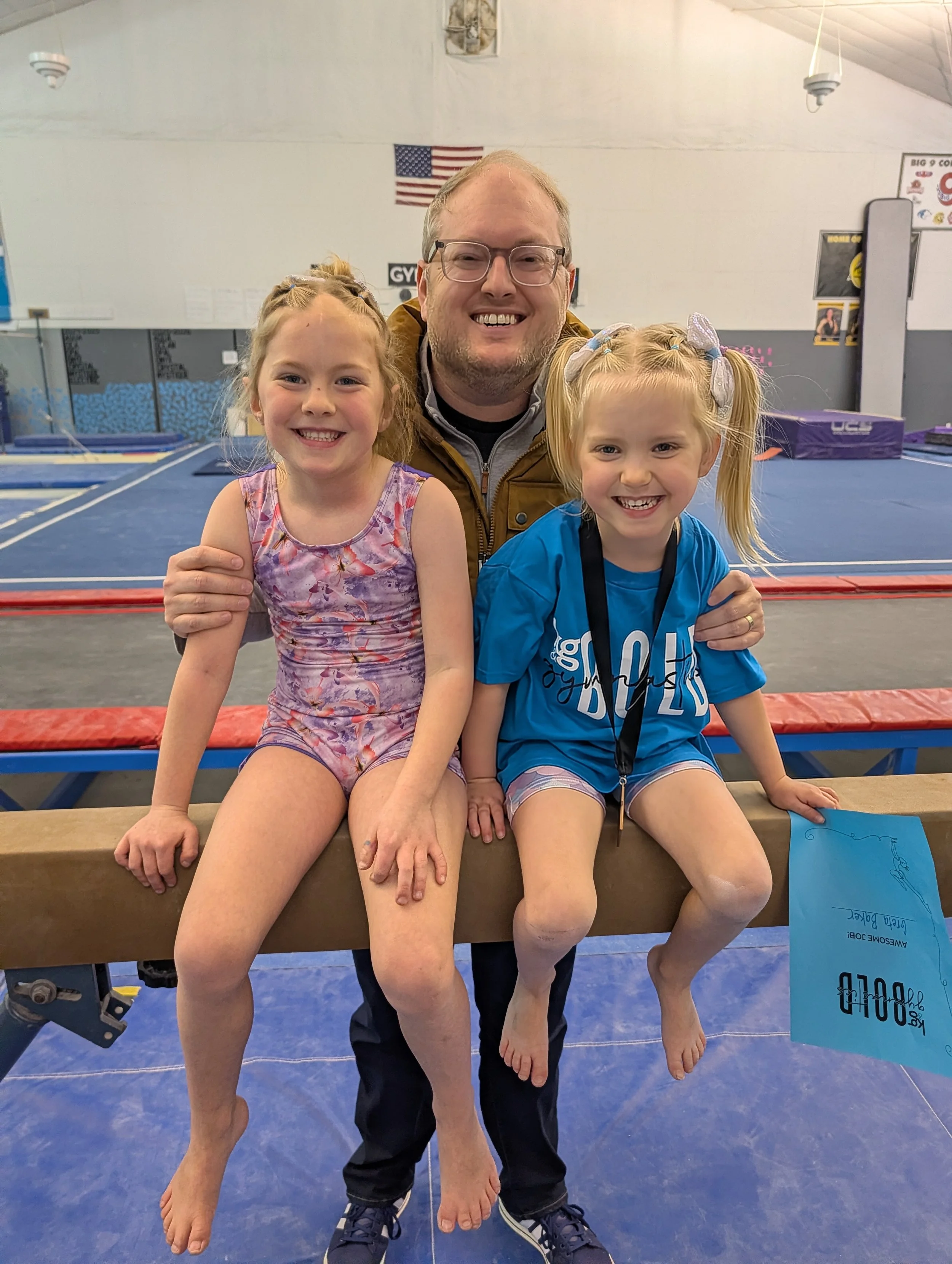
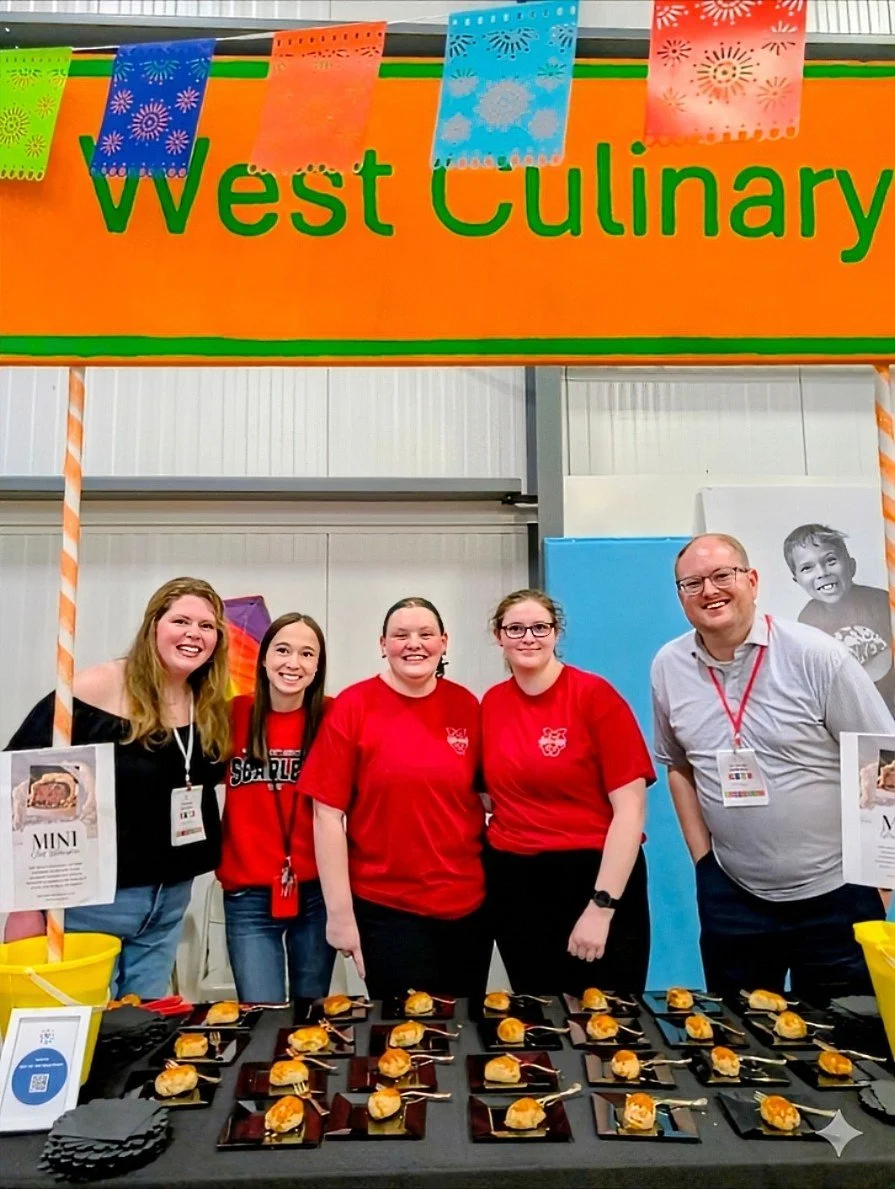
I was born and raised in Mankato and am a proud product of the Mankato Area Public Schools (MAPS) and graduate of Mankato East High School. Today, my connection to the district is even more personal: my wife is a teacher at Mankato West High School, and our two elementary-aged daughters attend our schools.
I am completing my first term on the School Board and currently serve as board treasurer. My professional career has centered on education and workforce policy and community leadership for nearly 20 years. I began with the National Governors Association in Washington, D.C., representing governors on federal education and workforce issues. I later returned home to serve as Vice President of Greater Mankato Growth, directing public-policy work and advancing regional priorities with business, government, education, and nonprofit partners. I subsequently led government relations and policy for Western Governors University - the nation’s largest nonprofit university in the country.
I now serve as Senior Director of Government Affairs for Cengage, where I lead government affairs and public policy for an education company providing learning materials and digital resources to nearly 16 million students and adult learners around the world. I earned a bachelor’s degree from Concordia College, Moorhead and a graduate certificate in public management from George Mason University.
These experiences—as a former student, current parent, teacher’s spouse, education-policy professional, community leader, taxpayer, and school board member—reinforce my belief that great schools make great communities.
Why should you consider voting for me?
I am seeking a second term because I believe education transforms lives, strengthens communities, and creates opportunity. Our schools deserve - and need - to be great.
When I first ran, I said great schools make great communities. Four years of service have only strengthened that conviction. Strong schools prepare students for successful lives, build a skilled workforce, attract families and businesses, and support our region’s long-term vitality.
I am deeply invested in the success of our public schools and want the next generation to receive the same high-quality education at MAPS that I did. Serving on the School Board has been an incredible honor and opportunity to give back to the schools and community that have given so much to my family and me.
I am proud of the progress our district made during my first term:
Investing in safer, stronger schools through the successful $105 million facilities bond referendum I was proud to champion. These investments are improving safety, expanding early-learning opportunities, and modernizing educational and wellness spaces.
Establishing a clear strategic direction through an extensive process involving students, staff, families, and community members. That work refocused the district around its mission: “Excellence, Equity, and Empowerment: Every Student, Every Day.”
Expanding educational choice by creating three elementary focus schools centered on STEAM, outdoor and nature-based learning, and global studies.
Addressing a significant budget shortfall through difficult decisions designed to strengthen the district’s financial position while protecting core student services.
Invested in student mental health and student-support systems through more mental health professionals, partnerships with community providers, staff training, and school-based health centers.
I bring nearly 20 years of experience in nonpartisan education policy and community leadership to the board, but I show up to board meetings first as a dad who wants my daughters, and every kid in this district, to have what they need to thrive.
I won’t always land where any one group wants. But I will listen, ask hard questions, examine the evidence, explain my reasoning, bring a balanced perspective, and keep asking: What is best for all students?
My Approach to School Board Service
Serving on the Mankato Area Public Schools Board requires making decisions that affect thousands of students, families, employees, and taxpayers. Those decisions are not always easy, and reasonable people will not always agree about the right answer.
My approach begins with one question:
What is best for all students?
That does not mean every student needs the same thing. Students have different strengths, challenges, interests, backgrounds, and goals. It means our responsibility is to build a school system in which every student is known, valued, appropriately challenged.
Effective school boards govern responsibly. They establish direction and priorities, adopt policy, oversee finances, employ and evaluate the Superintendent, monitor results, and remain accountable to the public. The Board should define the outcomes we expect for students while trusting our educators and administrators to manage the day-to-day work.
Students, families, teachers, staff, administrators, and community members experience our schools differently, and good decisions are stronger when we understand those perspectives. Our Board used that kind of broad engagement in developing the Strategic Roadmap adopted in 2024.
Listening does not mean governing according to whichever voice is loudest. The Superintendent and educational professionals should bring recommendations grounded in expertise, implementation realities, data, and research. Board members should test those recommendations, consider community input, understand costs and tradeoffs, and exercise independent judgment.
I believe good governance means listening respectfully, asking difficult questions, respecting professional expertise, making decisions transparently, and then holding ourselves accountable for whether those decisions produce the outcomes we intended.
Learn more about my approach & values.
My Priorities
Important work remains. Should I be re-elected, I intend to focus my next term on:
Redesigning the middle and high school experience so students have more opportunities for hands-on learning, career exploration, internships, mentorships, college credit, and industry-recognized credentials. Every student should graduate with a meaningful next step and the skills and confidence to pursue it.
Adopting a thoughtful and responsible approach to technology and artificial intelligence. Technology can expand access, support educators, and prepare students for a changing world, but it can also distract from learning or compromise privacy. Technology should serve learning—not drive it. Our decisions should be age-appropriate, evidence-based, protective of student information, and grounded in clear instructional goals.
Strengthening the future of teaching. High-quality teachers are critical to student success, yet teaching has become more demanding and complex. To recruit and retain excellent educators, we must listen to teachers, reduce unnecessary burdens, provide effective support, and create working conditions in which talented people can build sustainable careers.
Protect the district’s long-term financial health through disciplined budgeting, clear priorities, transparent communication, and responsible stewardship. Financial sustainability also depends on earning families’ confidence so MAPS remains the clear first choice for education in our region.
I am proud of what we have accomplished, realistic about the challenges ahead, and optimistic about what our district and community can achieve together.
How can our district contribute to the overall economic success of our community?
We often hear about workforce shortages, but our community doesn’t have a talent or workforce shortage issue. We have a retention and alignment issue. Each year thousands of individuals graduate from our high schools, colleges, and universities in the region. Unfortunately, not enough of them stay.
Our schools are the leading producer of our future workforce and we need to do a better job of connecting students with our business community early and often so that we can increase their chances of staying (or coming back) and contributing to Greater Mankato. Whether a student is college bound or looking to enter the workforce directly, there is tremendous value in giving students more hands-on experience in a business setting aligned to their interests.
The relationship must work both ways. Employers can provide expertise, experiences, mentors, equipment, and opportunities that schools cannot replicate alone - and we've seen tremendous progress in growing those partnerships over my time on the board. Our community itself can be one of our students’ most powerful classrooms. That’s why redesigning our middle and high-school experience is such a priority for me. If we do this well, students benefit first - and Greater Mankato benefits from a stronger talent pipeline and a community where people want to live, work, and raise families.
In addition, the perception of our schools as high-quality is a significant factor in our community’s ability to attract new business opportunities and talent to the region. The school board has a significant responsibility to manage our district’s historic reputation for excellence or we will do serious damage to the ability of our community to continue the economic growth we’ve enjoyed.
How can I be sure you’ll spend my tax dollars wisely?
My experience with budgets begins at home and extends to nearly 20 years of professional experience working with public and non-profit budgets. I’ve managed multi-million dollar organizational budgets and worked deeply with federal, state, and local budgets that require me to be familiar with fiscal polices, guidelines and procedures.
As Board Treasurer, I view a budget as a statement of priorities. Every district dollar is a public dollar, and resources should align with our mission and produce meaningful value for students. We must also recognize that staff costs represent 80% of our district's general fund - so when talking about budgets, it's not abstract, we're really talking about the people serving our children.
When reviewing a public budget, I seek to ensure that there is first a solid strategic plan in place that focuses on the right things and that we are aligning resources necessary to deliver on that plan. Responsible stewardship does not simply mean spending less. Sometimes it requires investing in people, programs, facilities, or new approaches. At other times, it requires changing longstanding practices or saying no to worthwhile ideas because they cannot be sustained.
There is no formula that nicely sorts what investments are the most meaningful and which cuts are the least-disruptive. Decisions must consider evidence of student impact, legal and contractual obligations, safety, staffing realities, equity, available alternatives, long-term costs, and community priorities.
Fortunately, our MAPS levy is one of the lowest per student when compared with peer districts. Unfortunately, our district faces a challenging financial future. It’s important that our board be forthright and honest with the public about the needs of our school district and that we advocate for the investments necessary to protect our community’s investment, including competing for MAPS to be the preferred education choice for our families.
How will you work with other board members?
I don’t believe anyone comes to public service without values, experiences, or beliefs. I certainly don’t. The question is what we do with them once we are entrusted with the responsibility to govern.
For me, School Board service isn’t about advancing the agenda of a political party or importing the latest national political fight into our classrooms. It’s about 8,000 students, their families, our educators and staff, and the future of this community.
School Board is a nonpartisan office, and I believe it should be practiced that way. I’ve spent my entire professional career working in public policy and leading non-partisan organizations. Much of that work has required building relationships and finding common ground with Republicans, Democrats, independents, and people whose views don’t fit neatly into any political category. One lesson I’ve learned repeatedly is that disagreement doesn’t have to become division. I bring to the board a deeply honed ability to treat everyone with respect, ensure all voices are heard, and the recognition that collaboration, collegiality, compromise, and consensus is the heart of our democratic system.
With all of the disfunction in today’s politics, our school board can and should be an example to our community – particularly our students – about how adults can work together in the best interest of a common cause, not personal agenda and division.
I won’t pretend politics doesn’t exist or that my own experiences don’t shape how I see the world. What I can promise is that no political party gets my vote on the School Board. No outside organization gets it. No ideology gets it. The students and community I was elected to serve get it.
Learn more about me